
Jenkins is a popular open-source automation server that enables developers to build, test, and deploy their software. In this guide, we will walk you through the steps to install Jenkins on Debian 11.
Step 1: Update Your System
Start by ensuring your system is up to date:
sudo apt update && sudo apt upgrade -yStep 2: Install Java
Jenkins requires Java to run. Install OpenJDK 11 with the following command:
sudo apt install openjdk-11-jdk -yStep 3: Add Jenkins Repository
Add the Jenkins repository and import the GPG key:
wget -q -O - https://pkg.jenkins.io/debian/jenkins.io.key | sudo apt-key add -
echo deb http://pkg.jenkins.io/debian-stable binary/ | sudo tee /etc/apt/sources.list.d/jenkins.list
Step 4: Install Jenkins
Update the package index and install Jenkins:
sudo apt update
sudo apt install jenkins -y
Step 5: Start Jenkins
Start the Jenkins service:
sudo systemctl start jenkinsEnable Jenkins to start at boot:
sudo systemctl enable jenkinsStep 6: Adjust Firewall Settings
If you are using UFW as your firewall, allow Jenkins through the firewall:
sudo ufw allow 8080Step 7: Access Jenkins Web Interface
Open your web browser and navigate to http://your_server_ip:8080. You should see the Jenkins setup wizard.
Step 8: Retrieve the Jenkins Unlock Key
To unlock Jenkins, you need the initial admin password. Retrieve it with the following command:
sudo cat /var/lib/jenkins/secrets/initialAdminPasswordStep 9: Complete the Setup
Enter the retrieved password in the setup wizard and follow the on-screen instructions to complete the Jenkins installation.
Conclusion
You have successfully installed Jenkins on Debian 11. This powerful automation server will help you streamline your development workflow.
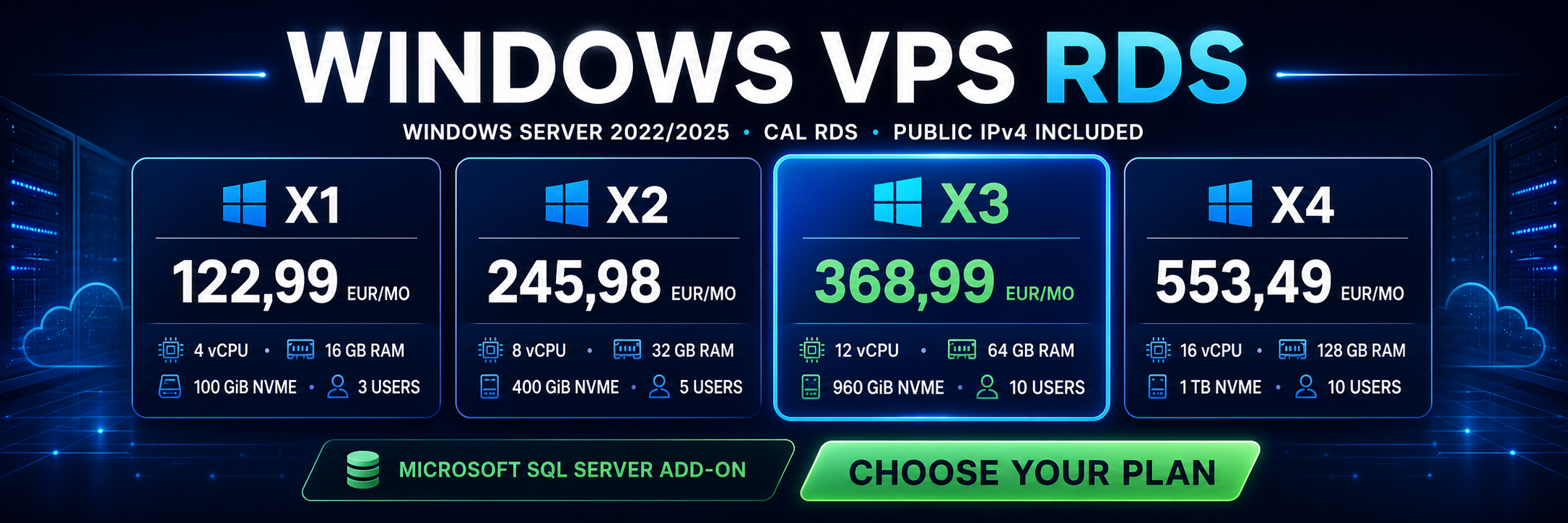
If you're looking for a reliable hosting solution for your Jenkins server, consider using Windows VPS UK. With Windows VPS, you can efficiently host your applications and ensure high performance. Whether you need VPS UK Windows or Windows Virtual Private Servers, you'll find a solution that fits your requirements.
For larger deployments or enterprise needs, explore Windows Virtual Dedicated Server Hosting or Virtual Private Server Hosting Windows. Whether you're located in the UK, Italy, or elsewhere, Windows VPS Italy and UK VPS Windows offer reliable hosting options. Visit Windows VPS Hosting UK to discover the best hosting solutions for your needs.