
MongoDB is a NoSQL database that uses a document-oriented data model, making it ideal for handling large amounts of data. In this guide, we will walk through the steps to install and secure MongoDB on Debian 11.
Step 1: Update Your System
Start by ensuring your system is up to date:
sudo apt update && sudo apt upgrade -yStep 2: Import the MongoDB Public Key
Import the public GPG key used by the MongoDB package management system:
wget -qO - https://www.mongodb.org/static/pgp/server-5.0.asc | sudo apt-key add -Step 3: Create the MongoDB Source List File
Create a list file for MongoDB:
echo "deb [ arch=amd64,arm64 ] https://repo.mongodb.org/apt/debian bullseye/mongodb-org/5.0 main" | sudo tee /etc/apt/sources.list.d/mongodb-org-5.0.listStep 4: Update the Package Database
Update the package database to include the MongoDB packages:
sudo apt updateStep 5: Install MongoDB
Install MongoDB using the following command:
sudo apt install -y mongodb-orgStep 6: Start and Enable MongoDB
Start the MongoDB service and enable it to run at boot:
sudo systemctl start mongod
sudo systemctl enable mongod
Step 7: Secure MongoDB
By default, MongoDB is not secured. To secure it, first, enable authentication. Edit the MongoDB configuration file:
sudo nano /etc/mongod.confFind the line that says security: and add the following under it:
authorization: "enabled"Save and exit the editor, then restart MongoDB:
sudo systemctl restart mongodStep 8: Create an Admin User
Connect to the MongoDB shell:
mongoSwitch to the admin database and create a new admin user:
use admin
db.createUser({user: "admin", pwd: "your_password", roles: [{role: "userAdminAnyDatabase", db: "admin"}]})
Replace your_password with a strong password.
Step 9: Verify Authentication
Exit the MongoDB shell and try to connect again with authentication:
mongo -u admin -p your_password --authenticationDatabase adminConclusion
You have successfully installed and secured MongoDB on Debian 11. This database will help you manage your data efficiently and securely.
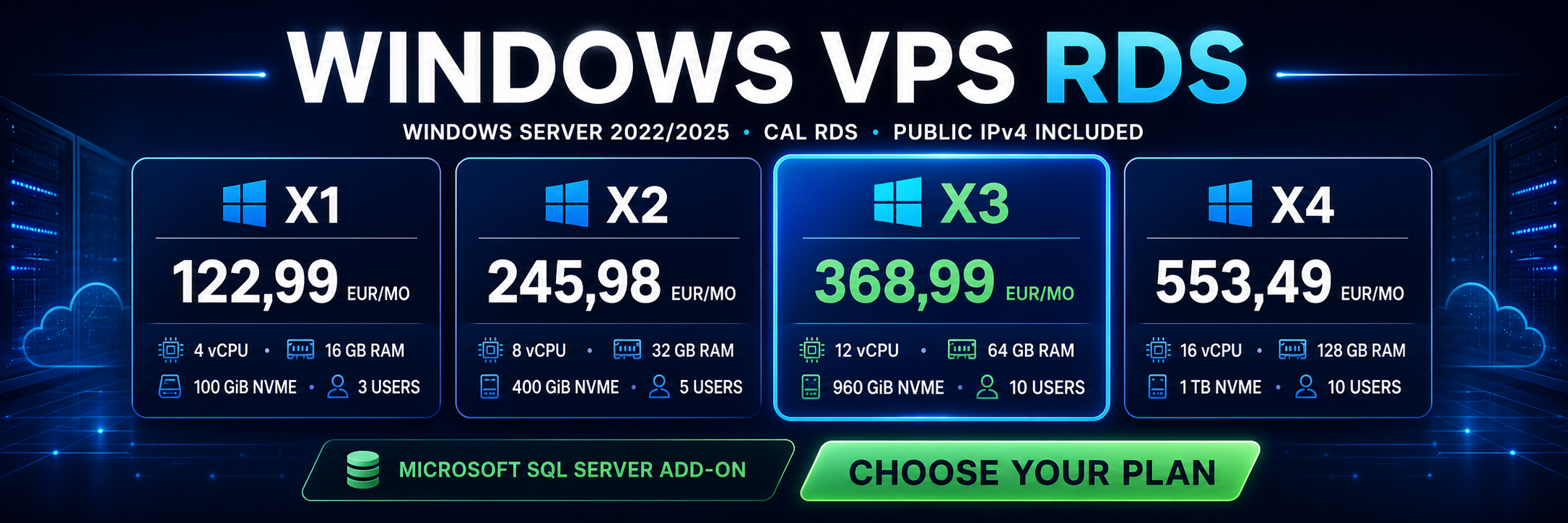
If you're looking for a reliable hosting solution for your MongoDB server, consider using Windows VPS UK. With Windows VPS, you can efficiently host your applications and ensure high performance. Whether you need VPS UK Windows or Windows Virtual Private Servers, you'll find a solution that fits your requirements.
For larger deployments or enterprise needs, explore Windows Virtual Dedicated Server Hosting or Virtual Private Server Hosting Windows. Whether you're located in the UK, Italy, or elsewhere, Windows VPS Italy and UK VPS Windows offer reliable hosting options. Visit Windows VPS Hosting UK to discover the best hosting solutions for your needs.