
Mono is an open-source implementation of Microsoft's .NET Framework. It allows developers to create cross-platform applications. In this guide, we will walk through the steps to install Mono on Debian 11.
Step 1: Update Your System
Start by ensuring your system is up to date:
sudo apt update && sudo apt upgrade -yStep 2: Install Required Dependencies
Before installing Mono, install the necessary dependencies:
sudo apt install -y dirmngr gnupg ca-certificatesStep 3: Add the Mono Repository
Add the Mono repository to your system:
echo "deb https://download.mono-project.com/repo/debian stable main" | sudo tee /etc/apt/sources.list.d/mono-official-stable.listStep 4: Add the GPG Key
Add the GPG key for the Mono repository:
sudo apt-key adv --keyserver hkp://keyserver.ubuntu.com:80 --recv-keys 3FA7E0328081BFF4A5A90A2C97316E3B06C56C8CStep 5: Update Package List
Update the package list to include the new Mono repository:
sudo apt updateStep 6: Install Mono
Now, install Mono:
sudo apt install -y mono-completeStep 7: Verify Installation
After installation, verify that Mono is installed correctly by checking the version:
mono --versionConclusion
You have successfully installed Mono on Debian 11. You can now run .NET applications on your Debian server.
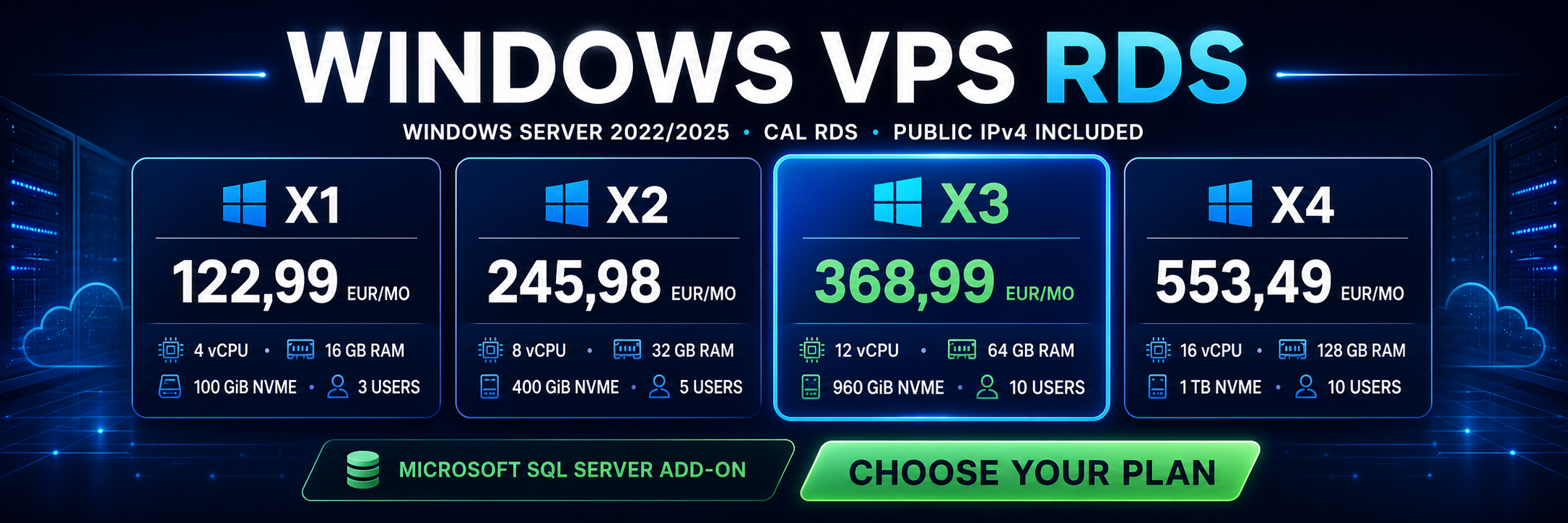
If you're looking for a reliable hosting solution for your applications, consider using Windows VPS UK. With Windows VPS, you can efficiently host your applications and ensure high performance. Whether you need VPS UK Windows or Windows Virtual Private Servers, you'll find a solution that fits your requirements.
For larger deployments or enterprise needs, explore Windows Virtual Dedicated Server Hosting or Virtual Private Server Hosting Windows. Whether you're located in the UK, Italy, or elsewhere, Windows VPS Italy and UK VPS Windows offer reliable hosting options. Visit Windows VPS Hosting UK to discover the best hosting solutions for your needs.