
Podman is an open-source container management tool that offers a similar user experience to Docker but operates without a daemon. This makes it a great alternative for managing containers in a more secure and efficient manner. In this guide, we will walk through the steps to get started with Podman on Rocky Linux.
Step 1: Update Your System
Start by ensuring your system is up to date:
sudo dnf update -yStep 2: Install Podman
Install Podman using the following command:
sudo dnf install -y podmanStep 3: Verify Podman Installation
After installation, you can verify that Podman is installed correctly by checking its version:
podman --versionStep 4: Running Your First Container
Now, let's run a simple container to verify that everything is working. We'll use the nginx image:
podman run -d -p 8080:80 nginxThis command runs an Nginx container in detached mode, mapping port 8080 on your host to port 80 in the container.
Step 5: Accessing the Container
Open your web browser and navigate to:
http://your_server_ip:8080You should see the default Nginx welcome page, indicating that your container is running successfully.
Step 6: Listing Running Containers
You can list all running containers with the following command:
podman psStep 7: Stopping and Removing Containers
To stop the running container, use:
podman stop [container_id]To remove the container, use:
podman rm [container_id]Step 8: Using Podman Compose
Podman also supports Docker Compose files through podman-compose. To install it, run:
sudo dnf install -y podman-composeYou can now create and manage multi-container applications using Docker Compose files.
Conclusion
You have successfully installed and started using Podman on Rocky Linux. This tool provides a powerful and efficient way to manage containers without the overhead of a daemon.
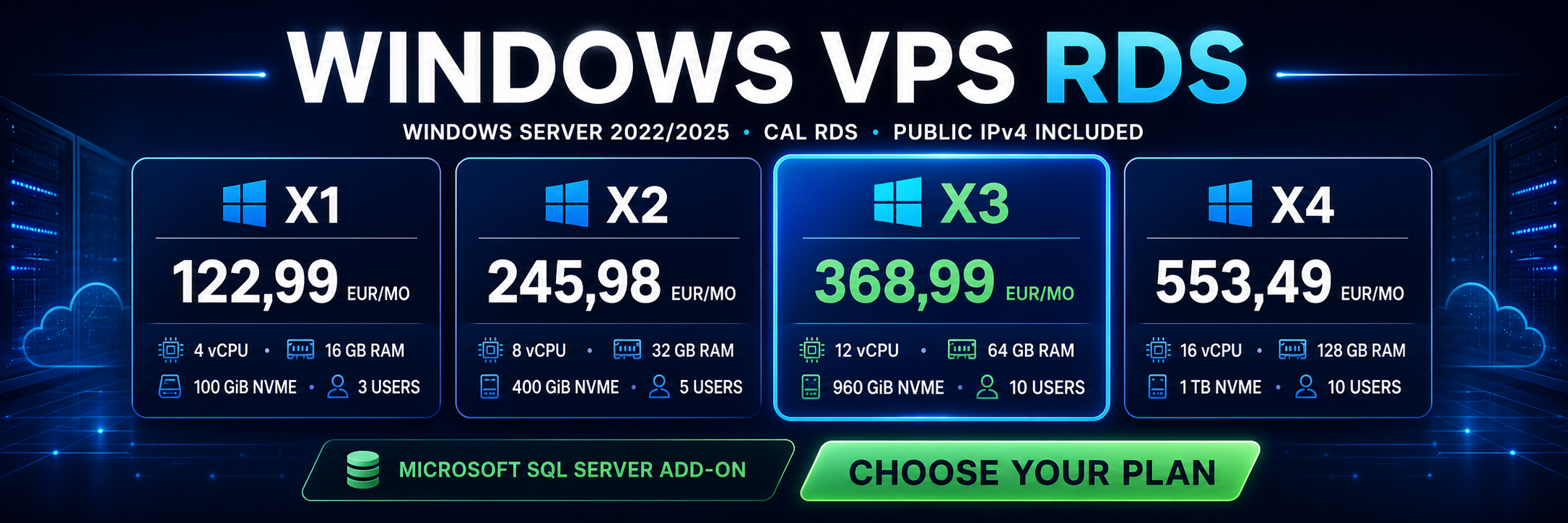
If you're looking for a reliable hosting solution for your Podman containers, consider using Windows VPS UK. With Windows VPS, you can efficiently host your applications and ensure high performance. Whether you need VPS UK Windows or Windows Virtual Private Servers, you'll find a solution that fits your requirements.
For larger deployments or enterprise needs, explore Windows Virtual Dedicated Server Hosting or Virtual Private Server Hosting Windows. Whether you're located in the UK, Italy, or elsewhere, Windows VPS Italy and UK VPS Windows offer reliable hosting options. Visit Windows VPS Hosting UK to discover the best hosting solutions for your Podman deployment.