Introduction
The LEMP stack, which consists of Linux, Nginx, PHP, and MariaDB, is a popular choice for hosting dynamic websites and applications. This guide will walk you through the steps to install the LEMP stack on Debian 12, ensuring you have a robust environment for your web projects. Utilizing a Windows VPS UK can further enhance your deployment capabilities.
Prerequisites
- A server running Debian 12
- Root or sudo access to the server
- An internet connection to download packages
Step 1: Update Your System
Before installing the LEMP stack, update your package list and upgrade the existing packages:
sudo apt update && sudo apt upgrade -yStep 2: Install Nginx
To install Nginx, use the following command:
sudo apt install nginx -yAfter installation, start Nginx and enable it to run on boot:
sudo systemctl start nginx
sudo systemctl enable nginx
To verify that Nginx is running, open your web browser and navigate to your server's IP address.
Step 3: Install MariaDB
Next, install MariaDB, which will serve as your database management system:
sudo apt install mariadb-server -yAfter the installation, secure your MariaDB installation:
sudo mysql_secure_installationFollow the prompts to set a root password and secure your installation.
Step 4: Install PHP
Install PHP along with the necessary PHP extensions for Nginx and MariaDB:
sudo apt install php-fpm php-mysql -yStep 5: Configure Nginx to Use PHP
Edit the default Nginx server block configuration:
sudo nano /etc/nginx/sites-available/defaultFind the section that begins with server { and modify it to include the following lines to handle PHP files:
location ~ \.php$ {
    include snippets/fastcgi-php.conf;
    fastcgi_pass unix:/var/run/php/php7.4-fpm.sock; # Update PHP version if necessary
}
After making changes, test the Nginx configuration:
sudo nginx -tIf the configuration test is successful, restart Nginx:
sudo systemctl restart nginxStep 6: Create a PHP Info File
To verify that PHP is working with Nginx, create a PHP info file:
echo "<?php phpinfo(); ?>" | sudo tee /var/www/html/info.phpNow, open your web browser and navigate to http://your_server_ip/info.php. You should see the PHP information page.
Step 7: Conclusion
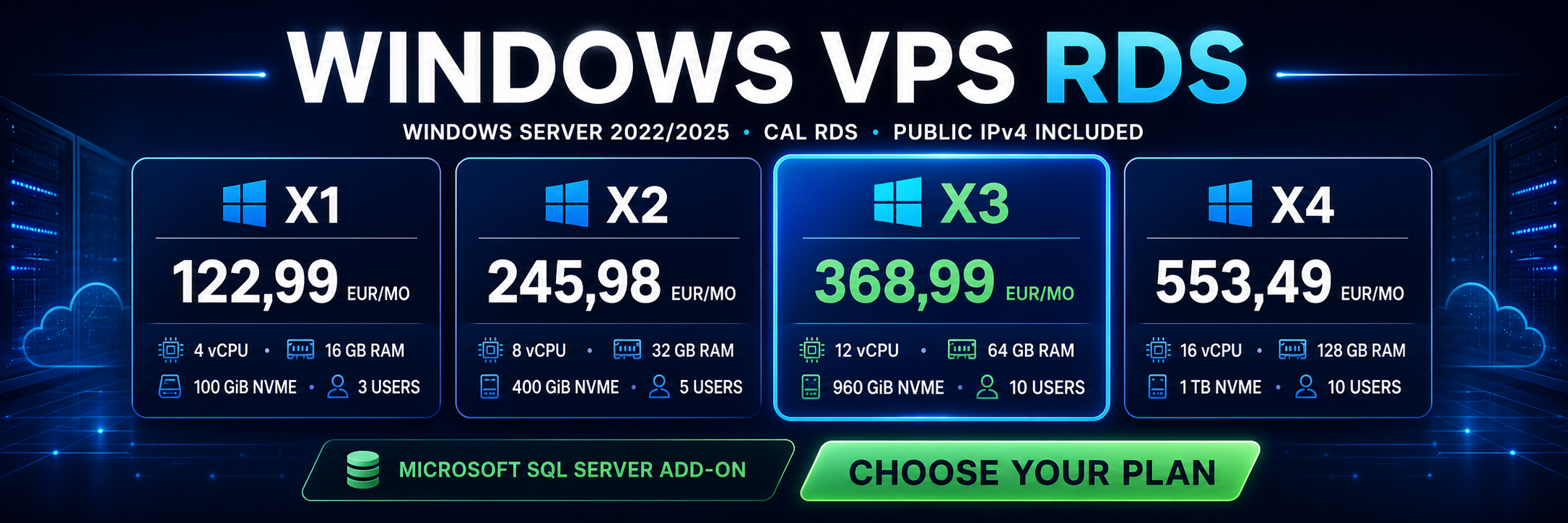
You have successfully installed the LEMP stack (Nginx, PHP, and MariaDB) on Debian 12. This setup provides a powerful platform for hosting web applications. For those interested in enhanced performance and reliability, consider utilizing a Windows VPS. You can explore various options, such as VPS UK Windows, including Windows Virtual Private Server Hosting and Windows VPS Hosting UK for your server needs.