
Memcached is a high-performance, distributed memory caching system that is used to speed up dynamic web applications by alleviating database load. In this guide, we will walk through the steps to install and configure Memcached on Debian 11.
Step 1: Update Your System
Start by ensuring your system is up to date:
sudo apt update && sudo apt upgrade -yStep 2: Install Memcached
Install Memcached using the following command:
sudo apt install -y memcached libmemcached-toolsStep 3: Configure Memcached
The default configuration file for Memcached is located at /etc/memcached.conf. Open it with a text editor:
sudo nano /etc/memcached.confHere are some important settings you may want to modify:
-m 64: This sets the amount of memory allocated for caching in MB. You can increase this value based on your server's available memory.-u memcache: This specifies the user that Memcached will run as. Ensure this user has the appropriate permissions.-p 11211: This is the default port Memcached listens on. You can change it if needed.-l 127.0.0.1: This binds Memcached to the localhost. Change this to0.0.0.0to allow remote access (be cautious with this setting for security reasons).
Step 4: Start and Enable Memcached
After configuring Memcached, start the service and enable it to run at boot:
sudo systemctl start memcached
sudo systemctl enable memcached
Step 5: Verify Memcached is Running
Check the status of the Memcached service:
sudo systemctl status memcachedYou should see that the service is active and running.
Step 6: Test Memcached
You can use the memcached-tool command to test if Memcached is working correctly:
echo "stats" | nc 127.0.0.1 11211This command should return various statistics about the Memcached server.
Conclusion
You have successfully installed and configured Memcached on Debian 11. This caching system will help improve the performance of your web applications.
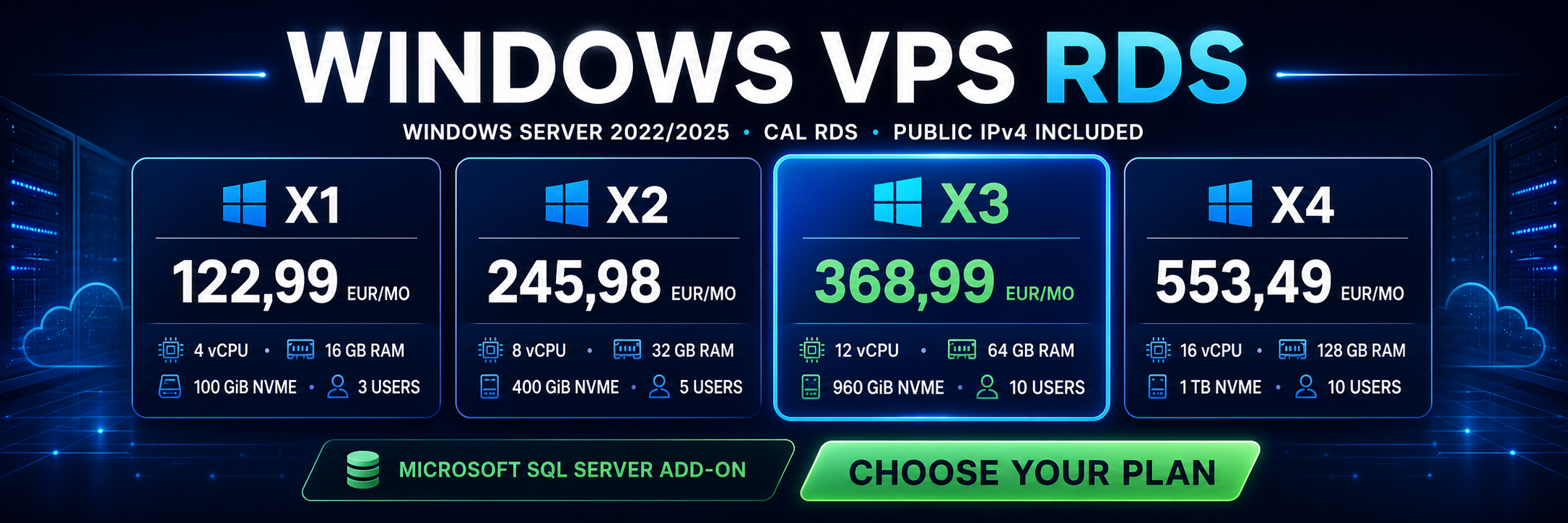
If you're looking for a reliable hosting solution for your applications, consider using Windows VPS UK. With Windows VPS, you can efficiently host your applications and ensure high performance. Whether you need VPS UK Windows or Windows Virtual Private Servers, you'll find a solution that fits your requirements.
For larger deployments or enterprise needs, explore Windows Virtual Dedicated Server Hosting or Virtual Private Server Hosting Windows. Whether you're located in the UK, Italy, or elsewhere, Windows VPS Italy and UK VPS Windows offer reliable hosting options. Visit Windows VPS Hosting UK to discover the best hosting solutions for your needs.